SLBT was born from a simple truth: life changes can break people down when support is missing.
SLBT supports single parents, seniors, and individuals overwhelmed by life changes, trauma, and uncertainty.
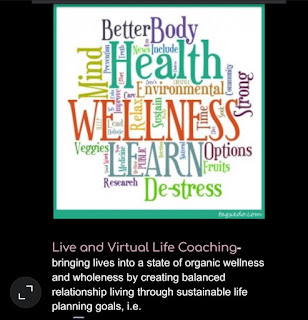
I help people get organized, simplify transitions, and create peaceful systems that bring clarity and calm.
Services include trauma-informed support, project coordination, mobile notary services, marriage officiation, and practical tools for healing and stability during uncertain times. #Heal
A Little Extra Help, More Independence: Seniors and Families, We Want to Hear From You Sometimes, a little extra help can make everyday life feel more manageable. It might be sorting through mail, completing paperwork, learning how to use a phone, or finding community resources. It might be having someone check in, help with an errand, or provide friendly company. For seniors who value their independence, and families who want to support them- These everyday needs matter. I’m developing paid senior support services through Softer Life Beyond Trauma, and I’d like your input. Before deciding which services to offer, I want to hear what would make the biggest difference in your life. What Would Make Life Easier? Potential services include: Help organizing paperwork, mail, and everyday tasks. Assistance finding and navigating community resources. Technology help with phones, email, video calls, and online tools. Appointment or errand assistance. Friendly check-ins and senior compani...
Post-Incarceration Syndrome: Understanding the Hidden Challenges After Release
Freedom Doesn't Always Feel Free
When someone leaves prison, many people assume the hardest part is over.
They've "done their time."
They're home.
They're free.
But for many returning citizens, the emotional and psychological effects of incarceration don't disappear the day they walk out of the gate.
Many continue to experience symptoms that researchers and mental health professionals often refer to as Post-Incarceration Syndrome (PICS). While it is not an official mental health diagnosis, it is a term used to describe the lasting emotional, behavioral, and psychological effects that can develop after long-term incarceration.
Understanding these challenges can help families, employers, faith communities, and returning citizens respond with greater compassion and practical support.
What Is Post-Incarceration Syndrome?
Years of living in a highly controlled environment can affect the way a person thinks, reacts, and relates to others.
Common experiences may include:
Hypervigilance or always feeling "on guard"
Difficulty trusting others
Anxiety in crowds or noisy environments
Depression or hopelessness
Trouble making decisions after years of having choices made for them
Sleep problems or nightmares
Emotional numbness
Difficulty expressing feelings
Isolation from family and friends
Fear of failure or returning to prison
These responses don't mean someone is weak. They may reflect how the mind and body adapted to surviving a stressful environment.
Reentry Is More Than Finding a Job
Many reentry programs focus on employment and housing, and those are essential.
But successful reentry also involves rebuilding everyday life:
Learning healthy communication
Managing finances
Establishing routines
Reconnecting with children and family
Building healthy friendships
Finding purpose beyond survival
Learning to trust again
Healing often happens one small step at a time.
Families Need Healing Too
Loved ones often expect life to return to normal immediately after release.
Instead, everyone may need time to adjust.
Families can support healing by:
Listening without judgment
Setting healthy boundaries
Celebrating small victories
Encouraging counseling or support groups when desired
Allowing trust to be rebuilt gradually
Recognizing that change takes time
Healthy relationships grow through consistent actions, not perfection.
Practical Ways to Move Forward
Whether you're returning home or supporting someone who is, these habits can make a meaningful difference:
Create a daily routine.
Structure provides stability during uncertain times.
Start with small goals.
Focus on today's progress rather than trying to solve everything at once.
Find positive community.
Supportive mentors, faith communities, volunteer opportunities, and healthy friendships can reduce isolation.
Care for your body.
Sleep, nutrition, movement, and time outdoors all contribute to emotional well-being.
Ask for help.
Strength includes knowing when to seek guidance.
Healing Is Possible
Your past may explain some of your struggles, but it does not have to define your future.
Every positive decision matters.
Every repaired relationship matters.
Every honest day of work matters.
Every act of accountability matters.
Reentry is not just about leaving prison.
It's about rebuilding a meaningful life with purpose, responsibility, hope, and community.
There will be setbacks, but there can also be tremendous growth.
You are more than your worst mistake.
Resources for Returning Citizens and Families
At Softer Life Beyond Trauma, we believe healing happens through practical support, organization, encouragement, and community.
We provide resources on:
Reentry planning
Family reunification
Life organization
Document preparation support
Employment strategies
Building healthy routines during uncertain times
Together, we can help make the transition from incarceration to community a little less overwhelming.
Call to Action
🌿 Visit www.SofterLifeBeyondTrauma.com for practical resources to help individuals and families navigate life transitions with confidence and hope.
📬 Positive Pen Connections
Looking for encouraging, growth-focused correspondence while incarcerated?
Join Positive Pen Connections for a $55 lifetime enrollment fee.

 Posts
Posts




Comments
Post a Comment
Leave a Comment
We’d love to hear from you! 💬
Share your thoughts, questions, or personal experiences below. Your voice matters, and your story could help someone else on their journey. 💛
✨Kindly keep comments respectful and supportive.
🛑 Spam, self-promotion, or inappropriate content will be removed.
Thank you for being part of our community. 🌱
~Veronica @ Softer Life Beyond Trauma