SLBT was born from a simple truth: life changes can break people down when support is missing.
SLBT supports single parents, seniors, and individuals overwhelmed by life changes, trauma, and uncertainty.
I help people get organized, simplify transitions, and create peaceful systems that bring clarity and calm.
Services include trauma-informed support, project coordination, mobile notary services, marriage officiation, and practical tools for healing and stability during uncertain times. #Heal
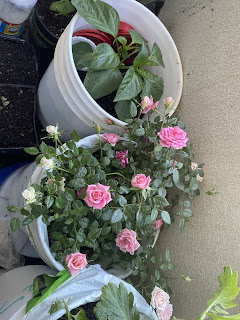
Turn Your Hobbies Into Cash: Practical Ways to Create Income During Uncertain Times Life has become more expensive. Many families are stretching every dollar while searching for ways to increase their income without sacrificing their peace. The good news? Many people already have valuable skills sitting quietly in the background. What you've always considered "just a hobby" could become a meaningful source of extra income. Whether you're rebuilding after job loss, entering retirement, caring for family members, or simply wanting greater financial freedom, your hobbies may hold more value than you realize. Start With What You Already Enjoy Ask yourself: What do people compliment me on? What do friends ask me for help with? What would I happily do even if I wasn't paid? What skills have I developed over the years? Many profitable businesses started as hobbies. Hobbies That Can Generate Income Gardening Grow vegetables, herbs, flowers, or seedlings to sell. Ideas i...
Righting the Wrongs: How Inmates and Loved Ones Can Heal, Take Accountability, and Prepare for Reentry
Righting the Wrongs: Healing, Accountability, and Preparing for a Better Future
There comes a time when people must pause, look honestly at their choices, and ask themselves a hard question:
How do I begin to make things right?
For inmates, formerly incarcerated individuals, and the loved ones who are walking beside them, righting the wrongs is not just about saying, “I’m sorry.” It is about doing the deeper work. It is about healing the mind, addressing the root causes of harmful behavior, taking responsibility for trauma inflicted, and preparing to return to society as a better, stronger, and more accountable person.
This journey is not easy. It takes humility, courage, honesty, and support. But change is possible when people are willing to face the truth and take action.
1. Take Care of Mental Health Concerns
Many people who end up incarcerated have carried untreated pain, trauma, grief, anger, depression, anxiety, or other mental health struggles for years. Some may not have had the tools, support, or safe space to talk about what they were experiencing.
Taking care of mental health is one of the first steps toward real change.
This may include counseling, support groups, journaling, faith-based support, trauma-informed programs, anger management, grief work, or simply learning healthier ways to cope with stress. Mental health care does not excuse harmful choices, but it can help a person understand what needs to change so they do not continue repeating destructive patterns.
Loved ones can also benefit from mental health support. Families of inmates often carry shame, stress, financial pressure, heartbreak, and emotional exhaustion. Healing is not just for the person behind the walls. Healing is for the whole family system.
2. Address Substance Abuse Concerns
Substance abuse can destroy families, relationships, opportunities, and personal stability. For many people, drugs or alcohol became a way to escape pain, numb trauma, or survive difficult circumstances. But what may have started as coping can eventually become a cycle of harm.
Addressing substance abuse means being honest about addiction, triggers, and the damage caused. It may mean joining a recovery program, attending substance abuse classes, participating in group meetings, seeking mentorship, or creating a sobriety plan for release.
Recovery requires more than good intentions. It requires daily choices, accountability, and a support system that encourages healthy living instead of returning to old habits.
Loved ones can support recovery without enabling harmful behavior. Support does not mean ignoring the truth. It means encouraging treatment, boundaries, honesty, and sober choices.
3. Be Accountable for Trauma Inflicted
One of the hardest parts of righting wrongs is being honest about the pain caused to others. Accountability is not about making excuses, blaming childhood, blaming substances, blaming the system, or blaming other people.
Accountability means saying:
“I caused harm.”
“I understand that my choices affected others.”
“I am willing to do the work to change.”
For some people, this may include writing apology letters, participating in restorative justice programs when appropriate, taking responsibility in counseling, learning about the impact of trauma, and understanding how their actions affected victims, children, partners, parents, and the community.
Not every relationship can or should be repaired. Sometimes accountability means respecting someone’s boundaries and accepting that forgiveness may not come quickly, or at all. The goal is not to force reconciliation. The goal is to become a person who no longer causes the same harm.
Loved ones must also be honest with themselves. Supporting someone does not mean pretending the harm did not happen. Families can love someone and still require accountability.
4. Prepare to Contribute to Society
Time can either be wasted or used wisely. For inmates preparing for release, education and job readiness can be powerful tools for change.
This may include earning a GED, taking college courses, learning a trade, completing parenting classes, studying financial literacy, improving communication skills, learning computer basics, or participating in job readiness programs.
Preparing to contribute to society also means building a realistic reentry plan. Where will the person live? How will they earn income? What support services are available? What boundaries need to be in place? What habits must change?
A person who wants a better future must prepare for one.
Loved ones can help by encouraging positive programs, sending educational materials when allowed, helping research reentry resources, and supporting goals that lead to stability instead of chaos.
Moving From Shame to Responsibility
There is a difference between shame and responsibility.
Shame says, “I am worthless.”
Responsibility says, “I did wrong, and I must do better.”
Shame can keep people stuck. Responsibility can help people grow.
Righting wrongs is not a one-time apology. It is a lifelong process of choosing healing, recovery, honesty, education, and service. It is choosing to become someone who contributes instead of destroys. Someone who repairs instead of repeats. Someone who understands that real change is shown through actions, not just words.
Final Thoughts
Families impacted by incarceration need support, compassion, and truth. Inmates who want to change need tools, accountability, and a plan. Loved ones need boundaries, resources, and emotional care.
Healing does not erase the past, but it can help create a different future.
The work begins with one honest step.
Take care of the mind. Address addiction. Own the harm caused. Prepare to give back.
That is how people begin to right their wrongs.
Support the Mission
If this message encouraged you, helped your family, or gave you something to think about, you can support this work here:

 Posts
Posts






Comments
Post a Comment
Leave a Comment
We’d love to hear from you! 💬
Share your thoughts, questions, or personal experiences below. Your voice matters, and your story could help someone else on their journey. 💛
✨Kindly keep comments respectful and supportive.
🛑 Spam, self-promotion, or inappropriate content will be removed.
Thank you for being part of our community. 🌱
~Veronica @ Softer Life Beyond Trauma