SLBT was born from a simple truth: life changes can break people down when support is missing.
SLBT supports single parents, seniors, and individuals overwhelmed by life changes, trauma, and uncertainty.
I help people get organized, simplify transitions, and create peaceful systems that bring clarity and calm.
Services include trauma-informed support, project coordination, mobile notary services, marriage officiation, and practical tools for healing and stability during uncertain times. #Heal
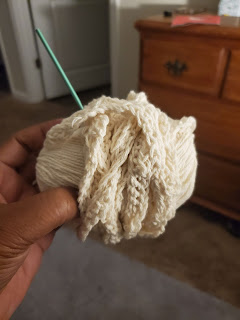
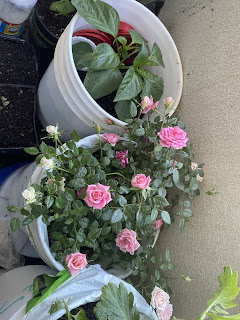
Turn Your Hobbies Into Cash: Practical Ways to Create Income During Uncertain Times Life has become more expensive. Many families are stretching every dollar while searching for ways to increase their income without sacrificing their peace. The good news? Many people already have valuable skills sitting quietly in the background. What you've always considered "just a hobby" could become a meaningful source of extra income. Whether you're rebuilding after job loss, entering retirement, caring for family members, or simply wanting greater financial freedom, your hobbies may hold more value than you realize. Start With What You Already Enjoy Ask yourself: What do people compliment me on? What do friends ask me for help with? What would I happily do even if I wasn't paid? What skills have I developed over the years? Many profitable businesses started as hobbies. Hobbies That Can Generate Income Gardening Grow vegetables, herbs, flowers, or seedlings to sell. Ideas i...
Drugs, Mental Illness, Generational Trauma & Incarceration: Breaking the Cycle
Is There a Connection Between Drugs, Mental Illness, Generational Trauma, and Incarceration?
When we talk about incarceration, the conversation often stops at one word: crime.
But if we really want to understand why so many people end up behind bars, return to jail or prison, struggle with addiction, lose family connections, or repeat painful patterns, we have to look deeper.
There is often a connection between drugs, mental illness, generational trauma, poverty, family dysfunction, and incarceration.
That does not mean every person who experiences trauma will use drugs. It does not mean every person with mental illness will commit a crime. And it does not mean people should not be held accountable for harm they caused.
But it does mean we must stop pretending that incarceration happens in a vacuum.
Many people entering the justice system are not just “bad people.” Many are wounded people, untreated people, unsupported people, addicted people, grieving people, abandoned people, and people who never learned how to cope in healthy ways.
Trauma Can Start Before the Crime
Generational trauma is pain that gets passed down through families and communities. It may come from abuse, neglect, violence, addiction, poverty, racism, incarceration, abandonment, grief, or a long history of survival without healing.
When trauma is not addressed, it can show up in many ways.
It may show up as anger.
It may show up as addiction.
It may show up as depression.
It may show up as anxiety.
It may show up as poor decision-making.
It may show up as unhealthy relationships.
It may show up as running from pain instead of facing it.
For some people, drugs become a way to numb what they do not know how to name. Alcohol, pills, meth, opioids, or other substances may become a temporary escape from grief, shame, memories, poverty, loneliness, or untreated mental illness.
But temporary escape often creates permanent consequences.
Mental Illness and Addiction Often Overlap
Mental illness and substance use can feed each other.
A person may use drugs to cope with depression, anxiety, PTSD, bipolar disorder, grief, or untreated childhood pain. Over time, substance use can make those conditions worse. It can affect judgment, relationships, employment, parenting, money, housing, and safety.
This is where the cycle can begin.
Pain leads to coping.
Coping turns into addiction.
Addiction leads to poor choices.
Poor choices lead to legal trouble.
Legal trouble leads to incarceration.
Incarceration creates more trauma.
Then the person comes home with a record, shame, broken family ties, untreated pain, and fewer opportunities.
Without support, the cycle continues.
Incarceration Can Add More Trauma
Jail or prison may remove a person from the community, but it does not automatically heal the person.
Many incarcerated people enter the system with trauma, addiction, grief, or mental illness. If those issues are ignored, punished, or untreated, incarceration can make things worse.
Being locked away from children, parents, spouses, and support systems can deepen shame and isolation. Some people experience violence while incarcerated. Some lose housing, jobs, custody, relationships, and hope.
Then when they return home, they are expected to “do better” while carrying the same wounds, plus new ones.
That is why reentry cannot only be about telling someone to get a job and stay out of trouble.
Reentry must include healing.
Families Are Affected Too
Incarceration does not only affect the person behind bars. It affects children, partners, parents, siblings, grandparents, and entire communities.
Children may grow up without a parent in the home. Loved ones may carry financial stress, emotional exhaustion, anger, embarrassment, resentment, or grief. Family members may want to help but not know how to set healthy boundaries.
Some families become trapped in survival mode.
They send money they cannot afford.
They answer every crisis call.
They carry guilt.
They raise children alone.
They try to support someone who has not yet taken accountability.
This is why healing must happen on both sides.
The incarcerated person must do the inner work.
The family must protect their peace.
The community must create real pathways for change.
Accountability and Compassion Can Coexist
We can hold people accountable and still acknowledge the role of trauma.
We can care about victims and still care about rehabilitation.
We can say, “What happened was wrong,” while also asking, “What happened to this person before they caused harm?”
Compassion does not erase consequences.
Compassion asks for deeper solutions.
If we only punish people without addressing addiction, mental health, trauma, poverty, education, housing, and family support, we should not be surprised when the same cycles repeat.
Breaking the Cycle Requires More Than Willpower
Many people say, “They just need to make better choices.”
Yes, choices matter.
But healing requires more than willpower.
People need access to mental health care, substance use treatment, stable housing, job opportunities, mentorship, education, spiritual support, family accountability, and community connection.
Families also need tools. They need boundaries, support groups, financial protection, emotional healing, and honest conversations.
Breaking generational cycles requires a new way of living.
It means learning how to communicate without exploding.
It means learning how to grieve without numbing.
It means learning how to apologize without excuses.
It means learning how to parent differently.
It means learning how to ask for help before everything falls apart.
It means learning how to build a life that does not require chaos to feel normal.
Healing Starts With Truth
The truth is, many families are carrying pain they never talk about.
Addiction may run through generations.
Untreated mental illness may be ignored.
Abuse may be hidden.
Incarceration may be normalized.
Children may be expected to survive what adults never healed from.
But silence does not stop the cycle.
Truth does.
Support does.
Treatment does.
Accountability does.
Faith does.
Education does.
Boundaries do.
Love with wisdom does.
Final Thought
Yes, there is often a correlation between drugs, mental illness, generational trauma, and incarceration. But correlation is not destiny.
A painful beginning does not have to become a permanent ending.
Families can heal.
People can recover.
Cycles can be broken.
Communities can choose restoration over judgment.
And those coming home from incarceration can rebuild their lives when accountability is paired with real support.
We cannot change the past, but we can change what gets passed down next.
Call to Action: If your family has been impacted by incarceration, addiction, trauma, or reentry challenges, you do not have to navigate it alone. Start with one honest conversation, one boundary, one plan, one resource, and one step toward healing.
For encouragement, reentry support, family healing resources, and practical tools for uncertain times, visit:

 Posts
Posts





Comments
Post a Comment
Leave a Comment
We’d love to hear from you! 💬
Share your thoughts, questions, or personal experiences below. Your voice matters, and your story could help someone else on their journey. 💛
✨Kindly keep comments respectful and supportive.
🛑 Spam, self-promotion, or inappropriate content will be removed.
Thank you for being part of our community. 🌱
~Veronica @ Softer Life Beyond Trauma