SLBT was born from a simple truth: life changes can break people down when support is missing.
SLBT supports single parents, seniors, and individuals overwhelmed by life changes, trauma, and uncertainty.
I help people get organized, simplify transitions, and create peaceful systems that bring clarity and calm.
Services include trauma-informed support, project coordination, mobile notary services, marriage officiation, and practical tools for healing and stability during uncertain times. #Heal
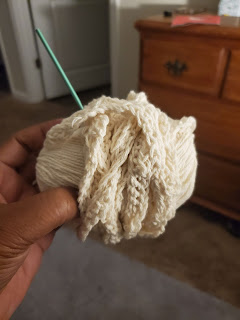
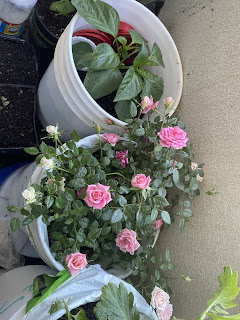
Turn Your Hobbies Into Cash: Practical Ways to Create Income During Uncertain Times Life has become more expensive. Many families are stretching every dollar while searching for ways to increase their income without sacrificing their peace. The good news? Many people already have valuable skills sitting quietly in the background. What you've always considered "just a hobby" could become a meaningful source of extra income. Whether you're rebuilding after job loss, entering retirement, caring for family members, or simply wanting greater financial freedom, your hobbies may hold more value than you realize. Start With What You Already Enjoy Ask yourself: What do people compliment me on? What do friends ask me for help with? What would I happily do even if I wasn't paid? What skills have I developed over the years? Many profitable businesses started as hobbies. Hobbies That Can Generate Income Gardening Grow vegetables, herbs, flowers, or seedlings to sell. Ideas i...
Love, Loyalty & Boundaries: Cultivating Healthy Relationships When Marriage Includes Incarceration
Love, Loyalty & Boundaries: Cultivating Healthy Relationships When Marriage Includes Incarceration
Relationships are one of the most important parts of our lives. The right friendships, family connections, and romantic relationships can bring peace, support, accountability, laughter, encouragement, and healing.
But unhealthy relationships can drain your spirit, confuse your mind, empty your pockets, and leave you feeling alone even when you are technically connected to people.
Healthy relationships do not just happen. They have to be cultivated. That means they need care, honesty, respect, communication, forgiveness, boundaries, and effort from both sides.
And when one person is incarcerated, relationships can become even more complicated.
Being married to an inmate can come with love, loyalty, hope, and commitment. But it can also come with loneliness, financial stress, emotional exhaustion, family judgment, unmet needs, and the painful reality of living a married life without the daily support of a present partner.
This is not about judging anyone’s marriage or relationship. It is about being honest enough to ask:
Is this relationship helping me grow, heal, and live with peace, or is it slowly pulling me away from myself?
What Healthy Friendships Look Like
Healthy friendships should feel safe, honest, and balanced. A good friend does not have to agree with everything you do, but they should respect you, care about your well-being, and be able to tell you the truth with love.
A healthy friendship includes:
Trust
Respect
Honest communication
Support during hard seasons
Accountability
Laughter and joy
Room for growth
Healthy boundaries
Mutual effort
A real friend does not only call when they need money, favors, transportation, childcare, emotional labor, or a place to vent. Friendship should not feel like a one-sided unpaid job.
Healthy friendships are not perfect, but they are reciprocal. Both people should be able to give and receive.
What Healthy Romantic Relationships Look Like
A healthy romantic relationship should include love, but love alone is not enough.
Healthy love needs:
Emotional safety
Clear communication
Respect
Consistency
Honesty
Shared values
Trust
Accountability
Patience
Support
Financial responsibility
Spiritual or emotional alignment
A willingness to grow
A person can love you and still not be healthy for you. A person can miss you and still not be able to show up for you. A person can promise change and still avoid the work required to become better.
Healthy relationships are built through actions, not just words.
Boundaries Are Not Betrayal
Many people confuse boundaries with being mean, selfish, or disloyal. But boundaries are not punishment. Boundaries are protection.
Boundaries say:
I love you, but I cannot lose myself.
I support you, but I cannot carry everything alone.
I care about you, but I will not accept disrespect.
I want the relationship to work, but I need honesty and effort.
I can forgive, but I still need change.
A relationship without boundaries can become draining, confusing, and unhealthy.
Boundaries are especially important when you are connected to someone who is incarcerated because the outside partner often carries the emotional, financial, and practical weight alone.
The Reality of Being Married to an Inmate
Being married to someone incarcerated is not the same as a traditional marriage. The love may be real, but the lifestyle comes with limits that cannot be ignored.
You may be legally married, emotionally connected, and spiritually committed, but still physically alone.
You may be making decisions, paying bills, raising children, managing emergencies, and carrying the household without daily help.
Some spouses remain deeply committed and find meaning in supporting their incarcerated partner. Others slowly begin to feel isolated, exhausted, resentful, or stuck.
Both realities can be true.
Emotional Drawbacks of Being Married to an Inmate
One of the hardest parts is emotional loneliness.
You may miss having someone physically present to talk to after a long day. Phone calls may be limited, monitored, expensive, or cut short. Visits may require travel, planning, money, emotional preparation, and recovery time afterward.
You may feel:
Lonely
Anxious
Guilty
Angry
Emotionally neglected
Responsible for their survival
Pressured to stay loyal
Afraid to move forward
Judged by others
Disconnected from your own needs
Sometimes the incarcerated spouse becomes the center of everything, while the person on the outside slowly disappears into survival mode.
That is not healthy.
You still matter.
Financial Drawbacks
Marriage to an inmate can become financially draining.
Costs may include:
Phone calls
Video visits
Travel for in-person visits
Money on commissary
Legal expenses
Care packages
Letters, photos, printing, postage
Supporting children alone
Paying all household bills alone
Missing work for visits or court dates
Helping someone you love is understandable. But when support becomes constant financial pressure, it can create stress, debt, resentment, and instability.
A healthy relationship should not require you to financially drown to prove your loyalty.
Social and Family Struggles
Being married to an inmate can also affect your social life.
Some family members may not understand. Friends may judge. People may assume things about you. You may stop sharing parts of your life because you do not want to explain, defend, or be criticized.
Over time, this can create isolation.
You may avoid events, stop dating your own dreams, or feel like your identity has become attached to someone else’s incarceration.
But your life is still happening.
You are allowed to have friendships.
You are allowed to laugh.
You are allowed to grow.
You are allowed to build a peaceful life.
When Loyalty Becomes Self-Abandonment
Loyalty can be beautiful. But loyalty becomes dangerous when it turns into self-abandonment.
Self-abandonment can look like:
Ignoring your emotional needs
Always putting their needs first
Feeling guilty for enjoying life
Sending money you cannot afford
Avoiding healthy friendships
Refusing opportunities because of the relationship
Accepting disrespect because they are “going through enough”
Staying silent about your pain
Putting your healing on hold
Love should not require you to disappear.
Hard Questions to Ask Yourself
If you are married to or in a relationship with someone incarcerated, ask yourself:
Do I feel emotionally safe in this relationship?
Is this relationship honest and respectful?
Am I supporting them, or am I being used?
Do they take accountability for their choices?
Are they working on growth, healing, education, or change?
Do they encourage me to live well too?
Am I allowed to have boundaries?
Do I feel peace, or do I feel constant pressure?
Am I staying from love, guilt, fear, or obligation?
What would I tell a friend in my situation?
These questions are not easy, but they are necessary.
Cultivating Healthy Relationships While Supporting Someone Incarcerated
You need a support system outside of the incarcerated relationship.
Healthy support may include:
Trusted friends
Support groups
Faith community
Therapy or coaching
Family members who are safe
Reentry support organizations
Journaling
Healthy routines
Financial planning
Boundaries around phone calls and money
Do not make one relationship your entire world. That creates emotional imbalance.
You need people who can remind you of your worth, your goals, your peace, and your future.
What Healthy Support Looks Like
Supporting someone incarcerated can be done in healthy ways.
Healthy support may look like:
Encouraging accountability
Writing positive letters
Discussing future goals
Supporting education or rehabilitation
Setting financial limits
Being honest about your needs
Making reentry plans realistically
Encouraging emotional maturity
Refusing manipulation
Keeping your own life stable
Support does not mean saying yes to everything.
Sometimes the most loving thing you can say is:
“I care about you, but I cannot do that.”
“I want better for us, but I need consistency.”
“I can support your growth, but I cannot carry all the weight.”
“I need this relationship to be healthy for both of us.”
Reentry Must Be Planned, Not Romanticized
If your spouse or partner will eventually come home, reentry needs more than love.
You may need to discuss:
Housing
Employment
Transportation
Parole or probation requirements
Mental health support
Substance recovery if needed
Family reunification
Parenting roles
Finances
Trust rebuilding
Household expectations
Technology adjustment
Community support
Conflict resolution
Coming home does not automatically fix the relationship. In some cases, it reveals issues that were hidden by distance.
Prepare with wisdom, not fantasy.
When It May Be Time to Step Back
Sometimes love exists, but the relationship is still unhealthy.
It may be time to step back if there is:
Manipulation
Threats
Constant guilt-tripping
Financial exploitation
Emotional abuse
Repeated lies
No accountability
No personal growth
Disrespect toward your boundaries
Pressure to ignore your own life
A pattern of using your loyalty against you
Choosing peace does not mean you never loved them. It means you are choosing not to lose yourself.
Final Encouragement
Healthy relationships should help you become more whole, not more broken.
Whether you are building friendships, healing family connections, dating, married, or married to someone incarcerated, remember this:
Love needs boundaries.
Support needs balance.
Forgiveness needs wisdom.
Loyalty should not cost your peace.
And your life still matters.
You can love people and still protect yourself.
You can support someone and still have limits.
You can care deeply and still choose healing.
The goal is not just to stay connected.
The goal is to stay connected in ways that are honest, healthy, respectful, and rooted in growth.
Call to Action
If you are navigating relationships, incarceration, reentry, family stress, or life transitions, you do not have to figure it all out alone.
Visit Softer Life Beyond Trauma for practical encouragement, softer living strategies, and support for rebuilding your life with more peace, structure, and wisdom.
You are allowed to love others without abandoning yourself.

 Posts
Posts





Comments
Post a Comment
Leave a Comment
We’d love to hear from you! 💬
Share your thoughts, questions, or personal experiences below. Your voice matters, and your story could help someone else on their journey. 💛
✨Kindly keep comments respectful and supportive.
🛑 Spam, self-promotion, or inappropriate content will be removed.
Thank you for being part of our community. 🌱
~Veronica @ Softer Life Beyond Trauma