SLBT was born from a simple truth: life changes can break people down when support is missing.
SLBT supports single parents, seniors, and individuals overwhelmed by life changes, trauma, and uncertainty.
I help people get organized, simplify transitions, and create peaceful systems that bring clarity and calm.
Services include trauma-informed support, project coordination, mobile notary services, marriage officiation, and practical tools for healing and stability during uncertain times. #Heal
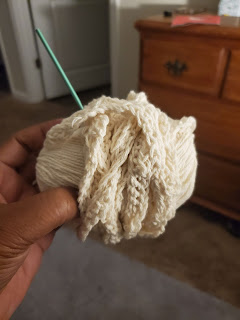
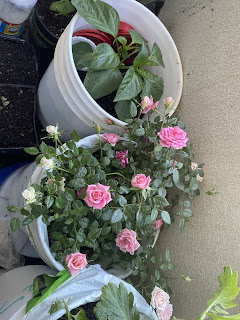
Turn Your Hobbies Into Cash: Practical Ways to Create Income During Uncertain Times Life has become more expensive. Many families are stretching every dollar while searching for ways to increase their income without sacrificing their peace. The good news? Many people already have valuable skills sitting quietly in the background. What you've always considered "just a hobby" could become a meaningful source of extra income. Whether you're rebuilding after job loss, entering retirement, caring for family members, or simply wanting greater financial freedom, your hobbies may hold more value than you realize. Start With What You Already Enjoy Ask yourself: What do people compliment me on? What do friends ask me for help with? What would I happily do even if I wasn't paid? What skills have I developed over the years? Many profitable businesses started as hobbies. Hobbies That Can Generate Income Gardening Grow vegetables, herbs, flowers, or seedlings to sell. Ideas i...
Tired, Tense, Overthinking? Try This Sourdough Ritual for Nervous System Peace
The Sourdough Starter Method for Nervous System Regulation
A soft-life ritual that calms your body and rebuilds trust, one stir at a time.
If your nervous system is acting like a smoke alarm with low batteries-chirping, panicking, overthinking, crashing, repeating-this is for you.
Because healing isn’t always therapy-speak and deep journaling. Sometimes healing is… standing in your kitchen, stirring flour and water, and reminding your body it’s safe to exist.
Trauma, chronic stress, and burnout train your body to live like the next disaster is scheduled for 3:00 PM. Even when life is “fine,” your body is still braced.
Sourdough helps because it gives you:
1) Rhythm (your body loves predictable)
Feed. Stir. Observe. Clean. Done. That repetition tells your system: “We’re not in danger right now.”
2) Sensory grounding (back into your body-no performance required)
Texture. Temperature. Sound. Movement. Your hands pull you out of mental chaos and back into the present.
3) Patience practice (without punishment)
Sourdough won’t be rushed. And that’s the lesson. You learn that time can be supportive-not threatening.
4) Non-attachment (progress without spiraling)
Some days it’s bubbly and thriving. Some days it’s funky and dramatic. You adjust without self-shaming-aka a life skill.
The Soft-Life Sourdough Regulation Routine (5-10 minutes)

 Posts
Posts





Comments
Post a Comment
Leave a Comment
We’d love to hear from you! 💬
Share your thoughts, questions, or personal experiences below. Your voice matters, and your story could help someone else on their journey. 💛
✨Kindly keep comments respectful and supportive.
🛑 Spam, self-promotion, or inappropriate content will be removed.
Thank you for being part of our community. 🌱
~Veronica @ Softer Life Beyond Trauma