SLBT was born from a simple truth: life changes can break people down when support is missing.
SLBT supports single parents, seniors, and individuals overwhelmed by life changes, trauma, and uncertainty.
I help people get organized, simplify transitions, and create peaceful systems that bring clarity and calm.
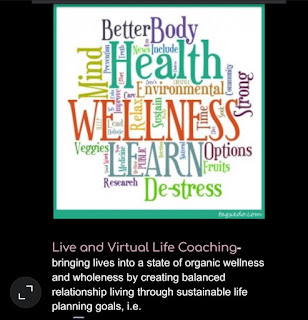
Services include trauma-informed support, project coordination, mobile notary services, marriage officiation, and practical tools for healing and stability during uncertain times. #Heal
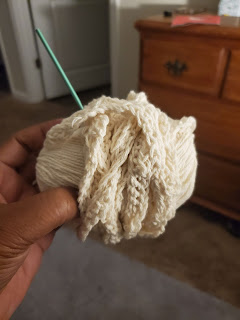
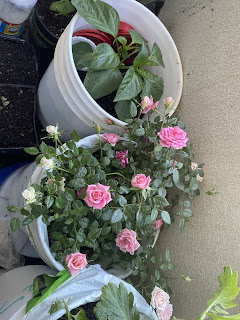
Turn Your Hobbies Into Cash: Practical Ways to Create Income During Uncertain Times Life has become more expensive. Many families are stretching every dollar while searching for ways to increase their income without sacrificing their peace. The good news? Many people already have valuable skills sitting quietly in the background. What you've always considered "just a hobby" could become a meaningful source of extra income. Whether you're rebuilding after job loss, entering retirement, caring for family members, or simply wanting greater financial freedom, your hobbies may hold more value than you realize. Start With What You Already Enjoy Ask yourself: What do people compliment me on? What do friends ask me for help with? What would I happily do even if I wasn't paid? What skills have I developed over the years? Many profitable businesses started as hobbies. Hobbies That Can Generate Income Gardening Grow vegetables, herbs, flowers, or seedlings to sell. Ideas i...
How Nonprofits Earn Income Through Grants: How to Find Funding + Write Winning Proposals
How Nonprofits Earn Income Through Grants (And How to Find & Write Them)
Grants can absolutely become steady income for a nonprofit, when you treat them like a funding pipeline, not a one-time lottery ticket. The goal isn’t just to win a grant. The goal is to build repeatable funding through renewals, multi-year awards, and a consistent application rhythm.
Below is a practical guide to:
How nonprofits earn income via grants
Where to find grants that fit
How to write grant applications that actually get funded
What “Income” From Grants Really Means
Grants aren’t “profit,” but they are predictable revenue when you build systems around them. Most nonprofits earn grant income in three main lanes:
1) Program Grants (Restricted)
Funding for a specific project (e.g., literacy mentoring, reentry support, youth programs).
Great for proving impact
Requires reporting and must be spent as approved
2) General Operating Support (Unrestricted)
Funding that supports your organization overall (staffing, rent, technology, administration).
This is the closest thing to “stable income”
Often relationship- and track-record driven
3) Capacity-Building Grants
Funding to strengthen your nonprofit’s infrastructure (evaluation tools, training, strategic planning, systems).
Helps you scale and become more grant-ready
Often overlooked (but powerful)
Step 1: Get “Grant Ready” (So You Don’t Waste Time Applying)
Most funders expect you to have the basics in place. Before you apply, make sure you can clearly show:
Your mission and the community you serve
A simple program description (what you do, how often, who it helps)
Financial controls (even simple bookkeeping and receipts)
Not a 501(c)(3) yet? Many nonprofits start by using a fiscal sponsor so they can apply for grants while building. (A fiscal sponsor is a 501(c)(3) nonprofit that agrees to receive and manage grant/donation money on behalf of your project (so funders can give to a tax-exempt entity), while you do the work.)
Step 2: How to Find Grants (Where the Money Actually Is)
A) Start Local (Highest Win Rate)
Local funding is often the best place to build early wins.
Look for:

 Posts
Posts





Comments
Post a Comment
Leave a Comment
We’d love to hear from you! 💬
Share your thoughts, questions, or personal experiences below. Your voice matters, and your story could help someone else on their journey. 💛
✨Kindly keep comments respectful and supportive.
🛑 Spam, self-promotion, or inappropriate content will be removed.
Thank you for being part of our community. 🌱
~Veronica @ Softer Life Beyond Trauma