SLBT was born from a simple truth: life changes can break people down when support is missing.
SLBT supports single parents, seniors, and individuals overwhelmed by life changes, trauma, and uncertainty.
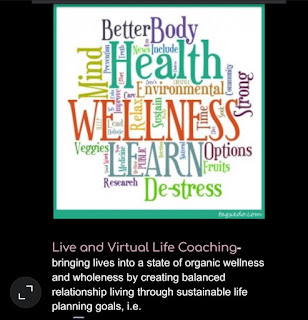
I help people get organized, simplify transitions, and create peaceful systems that bring clarity and calm.
Services include trauma-informed support, project coordination, mobile notary services, marriage officiation, and practical tools for healing and stability during uncertain times. #Heal
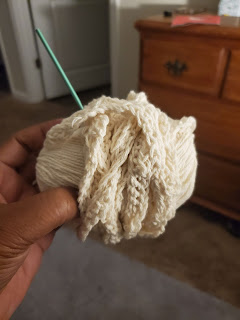
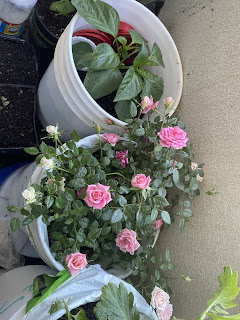
Turn Your Hobbies Into Cash: Practical Ways to Create Income During Uncertain Times Life has become more expensive. Many families are stretching every dollar while searching for ways to increase their income without sacrificing their peace. The good news? Many people already have valuable skills sitting quietly in the background. What you've always considered "just a hobby" could become a meaningful source of extra income. Whether you're rebuilding after job loss, entering retirement, caring for family members, or simply wanting greater financial freedom, your hobbies may hold more value than you realize. Start With What You Already Enjoy Ask yourself: What do people compliment me on? What do friends ask me for help with? What would I happily do even if I wasn't paid? What skills have I developed over the years? Many profitable businesses started as hobbies. Hobbies That Can Generate Income Gardening Grow vegetables, herbs, flowers, or seedlings to sell. Ideas i...
Second Chance Employers: Why Fair Opportunities Matter After Incarceration
Second Chance Employers Help People Rebuild Their Lives
Coming home after incarceration is not easy. For many people, the hardest part is not just finding housing, reconnecting with family, or adjusting to daily life again. One of the biggest challenges is finding a job.
Employment is more than a paycheck. It gives people structure, dignity, responsibility, and a reason to keep moving forward. That is why second chance employers are so important.
A second chance employer is a business or organization willing to consider applicants with a criminal record. Instead of automatically rejecting someone because of their past, these employers look at the whole person: their skills, work ethic, growth, and willingness to contribute.
Why Second Chance Employment Matters
When people are given the opportunity to work, they have a better chance of building a stable life. A job can help someone pay rent, support their children, meet court or supervision requirements, and regain confidence.
For families, employment can bring hope. It can reduce stress and help rebuild trust. For communities, it can lower barriers that often keep people stuck in survival mode.
Second chance hiring is not about ignoring accountability. It is about recognizing that people can change. It is about creating a path forward instead of keeping someone permanently tied to their worst mistake.
What Second Chance Employers Look For
Many employers still want the same qualities they look for in any applicant. They want people who are reliable, teachable, honest, and willing to show up consistently.
For someone returning home, it helps to be prepared with:
A basic resume A short explanation of work history Reliable contact information Transportation planning A willingness to start small References from mentors, programs, churches, volunteer work, or past employers A clear statement about personal growth and readiness to work
Preparation matters. Even when an employer is open to second chance hiring, the applicant still needs to show responsibility and readiness.
Industries That May Offer Second Chance Opportunities
Some industries are often more open to second chance hiring than others. These may include:
Construction Warehousing Food service Landscaping Manufacturing Janitorial work Hospitality Truck driving, depending on offense and licensing rules Recycling and sustainability work Peer support or community-based work, when eligible
Every company has different policies, and some jobs may have legal restrictions depending on the person’s conviction, supervision terms, or registry status. That is why it is important to research each opportunity carefully.
A Softer Approach to Reentry
At Softer Life Beyond Trauma, we believe reentry should include both practical support and emotional steadiness. People need documents, job leads, housing options, and transportation plans. But they also need encouragement, routine, and a peaceful place to rebuild.
A softer life does not mean an easy life. It means creating systems that reduce chaos.
For someone looking for work after incarceration, that may look like:
Creating a weekly job search schedule Keeping copies of important documents in one folder Practicing interview answers Tracking applications Building simple routines for sleep, hygiene, meals, and appointments Finding supportive people who believe in progress
Small steps count. Stability is built one decision at a time.
For Employers: Second Chances Strengthen Communities
Employers have the power to change lives. Hiring someone with a record can help reduce recidivism, fill workforce gaps, and create stronger communities.
Second chance hiring does not mean removing standards. It means creating fair standards. Employers can still require professionalism, safety, training, and accountability while also giving people the opportunity to prove themselves.
When businesses invest in people, communities benefit.
Final Thoughts
Second chance employers are not just offering jobs. They are helping create pathways to stability, healing, and reintegration.
For the person coming home, a job can be the beginning of a new chapter. For the family waiting for change, it can be a sign of hope. For the community, it can be part of the solution.
People heal. People grow. People deserve the chance to rebuild.
Need help organizing your reentry documents, job search plan, or life transition checklist? Visit www.SofterLifeBeyondTrauma.com to learn more about support for life transitions, reentry organization, and softer systems for rebuilding life.

 Posts
Posts





Comments
Post a Comment
Leave a Comment
We’d love to hear from you! 💬
Share your thoughts, questions, or personal experiences below. Your voice matters, and your story could help someone else on their journey. 💛
✨Kindly keep comments respectful and supportive.
🛑 Spam, self-promotion, or inappropriate content will be removed.
Thank you for being part of our community. 🌱
~Veronica @ Softer Life Beyond Trauma